
Brands we distribute

Castrol
Mobil
Orlen
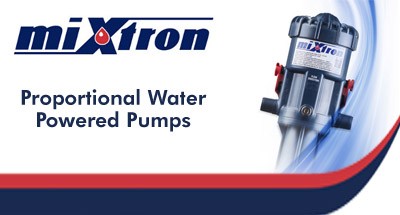
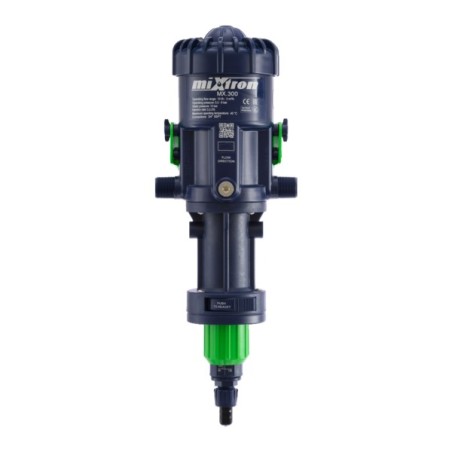
Mixtron
RAASM
Ariana
Rhenus
QualiChem
LOXEAL
Molykote
Dosatron
Krafft
SAMOA
FE-OL
BEKA-LUBE
Lube
Castrol
Mobil
Orlen
Mixtron
RAASM
Ariana
Rhenus
QualiChem
LOXEAL
Molykote
Dosatron
Krafft
SAMOA
FE-OL
BEKA-LUBE
Lube

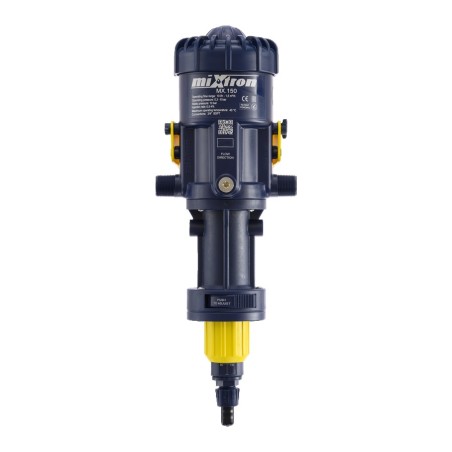
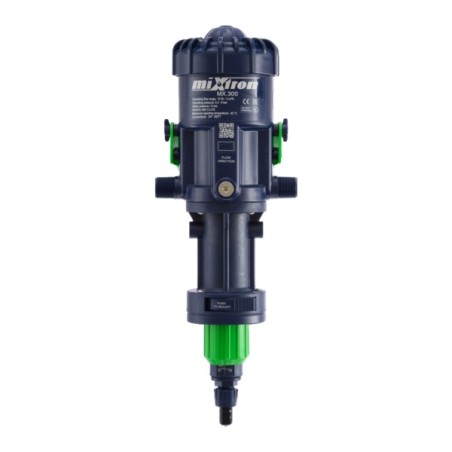
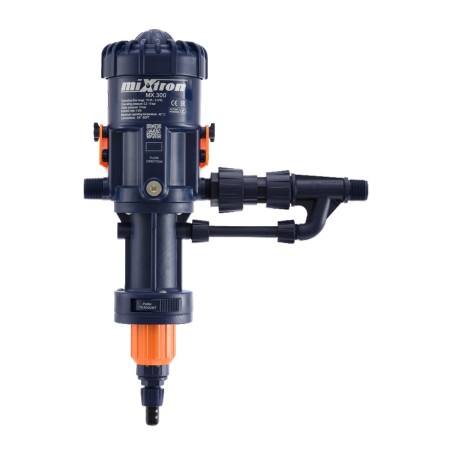
In the complex ecosystem of industrial fluid management, precision is not a luxury but a fundamental operational requirement. For over three decades, Lubricalia has consolidated itself as a leading reference in the supply of lubricants and industrial additives in Spain, offering integrated solutions that go beyond simple product distribution. Since 1994, our experience has allowed us to understand that the performance of a centralized lubrication system or an additive dosing system depends intrinsically on the quality and suitability of the pumping equipment used. In this context, Mixtron dosing pumps have emerged as a reference solution in the European market, standing out for their robustness, modularity, and ability to adapt to hostile environments. However, the existence of multiple models and configurations can raise significant doubts for maintenance engineers and plant managers. The incorrect selection of a dosing pump can lead to lubrication failures, unplanned downtime, product waste, and ultimately, an increase in operating costs. This technical article aims to provide a comprehensive and practical guide for selecting the appropriate Mixtron dosing pump model, based on the most rigorous technical criteria and the experience accumulated by Lubricalia in the Spanish industrial sector.

Analysis of Flow Rate and Pressure Parameters: The Heart of the System

The first critical variable that must be evaluated before selecting any Mixtron dosing pump is the relationship between the required flow rate and the operating pressure of the system. The piston dosing pumps of the Mixtron series, manufactured with high-resistance materials such as 316L stainless steel and PTFE, are designed to operate in a pressure range that can vary from 10 bar to 400 bar, depending on the specific model. It is imperative to perform an accurate calculation of the maximum operating pressure of the lubrication circuit. This pressure is not static; it can fluctuate due to the length of the piping, the number of lubrication points connected, and the viscosity of the fluid used. A common error in equipment selection is underestimating the back pressure or pressure drop in filters, which can lead to the dosing pump operating at its safety limit, reducing its lifespan and compromising lubricant delivery.

On the other hand, the nominal flow rate is the second pillar of selection. Mixtron models offer a flow rate range that can be adjusted via a top-mounted adjustment screw, allowing variations from fractions of a milliliter per hour to several liters per hour. For low-speed centralized lubrication applications, where micro-doses are required, it is essential to select a model that can operate in its minimum flow rate range without losing stability. In contrast, for applications involving large-volume additive injection, a model with a larger cylinder diameter or an appropriate reduction ratio is required. The selection of the appropriate model involves cross-referencing the data from the Mixtron technical catalog with the actual needs of your plant: number of lubrication points, pipe distance, base lubricant viscosity, and dosing frequency. Lubricalia, with its experience since 1994, strongly recommends always performing a preliminary hydraulic calculation before proceeding with the acquisition, ensuring that the selected model not only meets theoretical requirements but also offers a margin of operational safety.

Chemical Compatibility and Casing Material Selection

Chemical compatibility is a determining factor often overlooked in the initial phases of dosing pump selection. Modern industrial fluids contain a wide range of chemical additives, from strong acids to aggressive organic solvents, which can rapidly degrade the dosing pump materials if not selected correctly. Mixtron dosing pumps offer casing configurations in different material combinations: 316L stainless steel for the housing, and for internal components in contact with the fluid, options including PTFE (Teflon), PEEK, Viton, or ceramic. The choice of the plunger and ball or seat valve materials is crucial to ensure the equipment's durability.

For example, if your application involves dosing mineral acids or aggressive organic solvents, the use of a standard stainless steel casing with EPDM seals could result in premature failure due to swelling or degradation of the elastomers. In these cases, Lubricalia strongly recommends opting for Mixtron models with PTFE casings and Viton seals, which offer superior chemical resistance. Similarly, for abrasive fluids or fluids with suspended particles, casings with ceramic or PEEK components are essential to prevent premature wear of the plunger and valves. The selection of the appropriate material not only extends the life of the dosing pump but also guarantees the purity of the dosed fluid, preventing system contamination by wear particles or seal degradation. It is fundamental to review the chemical compatibility table provided by the Mixtron manufacturer and contrast it with the technical data sheet of the lubricant or additive you will use in your industrial process.

Actuation Types and Control Configurations

The third critical dimension in selecting a Mixtron dosing pump is the type of actuation and control configuration. Mixtron offers a variety of options ranging from simple manual adjustment models to electric models with variable frequency control, including pneumatic models for explosive environments. The choice of actuation depends directly on the automation of your process and the energy availability in the plant.

Electric models are the most common in modern industry, allowing perfect integration with PLC (Programmable Logic Controller) control systems. These dosing pumps can be controlled by 4-20 mA signals, frequency signals, or via digital interfaces such as Modbus, enabling real-time monitoring of the dosing pump status and delivered flow rate. For applications requiring very precise and constant dosing, regardless of system pressure variations, models with variable frequency control are ideal, as they allow continuous and precise adjustment of the motor speed and, consequently, the flow rate. On the other hand, in environments where there is a risk of explosion due to the presence of flammable gases or combustible dust, pneumatic Mixtron dosing pump models are the mandatory safety solution, as they do not generate sparks and can operate in classified ATEX zones. Additionally, it is important to consider the availability of accessories such as pulse counters, level sensors, and automatic flushing systems, which can be integrated into the selected model to optimize maintenance and system efficiency. Lubricalia, with its commitment to providing integrated solutions since 1994, advises its clients on the integration of these control systems to ensure smooth and safe operation.

Maintenance Considerations and Equipment Lifespan

Finally, the selection of the appropriate model must consider long-term maintenance costs and the expected lifespan of the equipment. Mixtron dosing pumps are designed to be modular, facilitating the replacement of worn components such as plungers, valves, and seals without the need to replace the entire unit. However, the ease of maintenance varies depending on the model and configuration selected. Models with PTFE casings and 316L stainless steel components usually require less maintenance in applications with corrosive fluids, while models with metal components may require more frequent inspections in abrasive environments.

It is crucial to establish a preventive maintenance plan that includes periodic review of ball or seat valves, verification of flow rate adjustment, and scheduled replacement of seals. Lubricalia recommends its clients implement a maintenance management system based on actual dosing pump usage, adjusting inspection intervals according to the specific operating conditions of their plant. The choice of a model with high-quality components and robust construction, such as those offered by Mixtron, guarantees a prolonged lifespan and minimizes the total cost of ownership in the long run. Additionally, the availability of original spare parts and specialized technical support from Lubricalia, with over 30 years of experience in the sector, are decisive factors that must be considered in purchasing decisions.

Conclusion and Call to Action

In conclusion, selecting the appropriate Mixtron dosing pump model is a technical process that requires a detailed analysis of flow rate, pressure, chemical compatibility, actuation type, and maintenance needs. There is no universal model; each industrial application has its own requirements that must be met with precision. Lubricalia, as a leading supplier of industrial lubricants in Spain since 1994, is committed to helping you in this selection process. Our team of technical experts is available to analyze your needs, recommend the most suitable Mixtron model, and ensure the installation and commissioning of the system. Do not leave the efficiency of your plant to chance; trust the experience and quality of Lubricalia to optimize your lubrication and dosing processes. To obtain personalized advice, perform a flow rate calculation, or request a quote for Mixtron models, do not hesitate to contact us directly. You can call our technical department at +34 900 000 000 or write to us through our business WhatsApp channel for an immediate and professional response. Trust Lubricalia, your trusted partner in industrial solutions since 1994.